Plant Whisperer
The First Impression
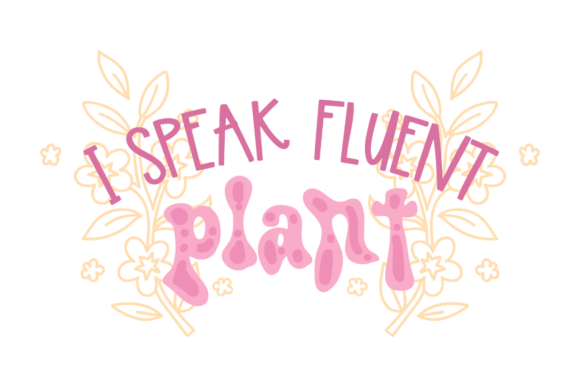
From the moment I opened the file, Plant Whisperer immediately struck me as a design that exudes warmth and charm. The floral elements are soft yet detailed, with a playful balance of whimsy and botanical accuracy. It’s not just a quote—it’s an experience, wrapped in greenery and leafy friendship. The layout feels intentional, guiding the eye through the text with gentle curves and natural shapes. This makes it ideal for those who want to celebrate their love for plants without overcomplicating the message.
Real-Life Use Case: Custom Tote Bag Embroidery
I imagined using Plant Whisperer on a custom tote bag—a common request from eco-conscious customers. The design’s size and complexity would work well on a mid-sized hoop, making it suitable for both personal and small business use. When stitched, the floral accents would add a subtle elegance, while the quote itself would serve as a conversation starter. However, I also considered how this design might perform on different fabric types, especially when applied to cotton or canvas, which are commonly used for tote bags.
Stitching Performance in Real Projects
Plant Whisperer is designed with embroidery in mind, but its performance depends heavily on the project context. On a tote bag, the design would look clean and refined, especially when paired with a light-colored fabric. The floral elements offer enough detail to be visually engaging without overwhelming the viewer. However, I noticed that some of the smaller leaves and stems could become less defined if the stitch density isn’t adjusted properly. This means careful attention to thread color contrast and stitch settings is essential.
For a baby item like a onesie or bib, the design’s delicate nature would translate well, but the tiny lettering and intricate details may require a smaller hoop and more precise stitching. Similarly, on a cap or hat, the curved surface could cause some distortion unless the design is carefully scaled and positioned. These considerations make Plant Whisperer a versatile option, but one that demands thoughtful application.
Design Considerations for Different Fabric Types
Plant Whisperer’s visual appeal is greatly influenced by the fabric it’s applied to. On dark fabrics, the design’s light-colored threads may appear washed out, reducing clarity. In such cases, testing on scrap fabric first is crucial. Conversely, on textured or stretchy materials, the design may shift slightly during stitching, requiring additional stabilizer or a more secure hooping technique.
For layered garments or items that will undergo frequent washing, like tea towels or kitchen linens, the design’s durability becomes a concern. While the embroidery itself is strong, the fine details can wear down over time, especially if the fabric is not properly stabilized. This means that Plant Whisperer may not be the best choice for high-wear items unless reinforced with quality stabilizers and proper stitching techniques.
Visual Appeal and Product Value
When evaluating a design like Plant Whisperer, visual appeal is closely tied to product value. The design’s ability to stand out on a variety of products—from apparel to home goods—makes it a strong contender for craft businesses and Etsy sellers. Its botanical theme resonates with a wide audience, offering both aesthetic and emotional appeal. Customers looking for personalized gifts or handmade products will likely find Plant Whisperer appealing, especially for occasions like birthdays, holidays, or plant-related events.
However, the design’s success also hinges on how well it complements the final product. A well-placed Plant Whisperer on a tote bag or apron can elevate the item’s perceived value, while a poorly executed version may feel cheap or unprofessional. This makes it important for designers and small shop owners to ensure that the design is not only visually pleasing but also technically sound.
Practical Designer Notes
Before committing to Plant Whisperer for a real project, I recommend a few key steps. First, test the design on scrap fabric to see how it performs under different conditions. Check the thread color contrast against the intended background fabric, and consider using a black-and-white mockup to assess stitch density and overall clarity. Confirm the hoop size required and ensure you have the appropriate stabilizer for the fabric type.
Also, review the licensing terms before selling finished items or digital products. For commercial use, having clear permissions is essential to avoid legal issues. Finally, consider whether the design works for both personal and business applications. Plant Whisperer has the potential to be a valuable asset for a range of projects, but its effectiveness depends on how it’s applied and presented.
Conclusion
Plant Whisperer is a design that balances charm and practicality, making it a great fit for a variety of embroidery projects. Whether you’re creating a custom tote bag, a personalized gift, or a boutique product, the design offers a unique way to celebrate plant lovers. With careful planning and attention to detail, it can enhance both the visual appeal and marketability of your handmade creations. As always, test, adjust, and enjoy the process of bringing your vision to life.