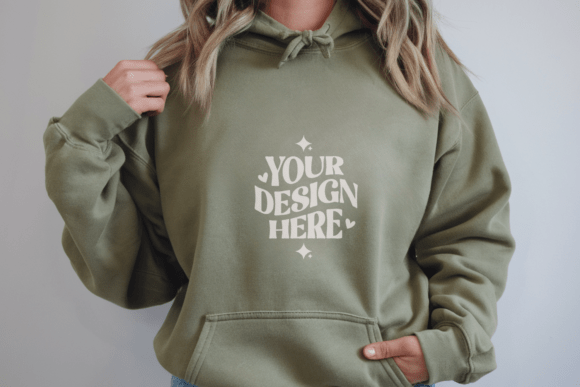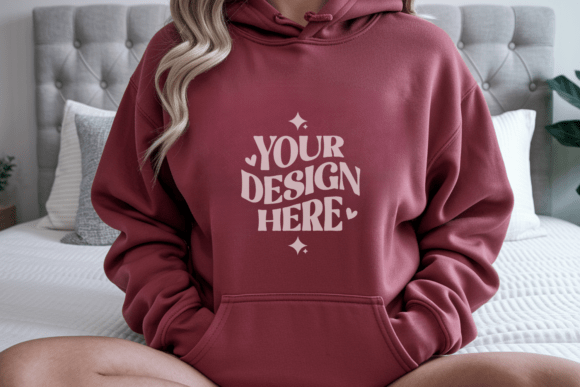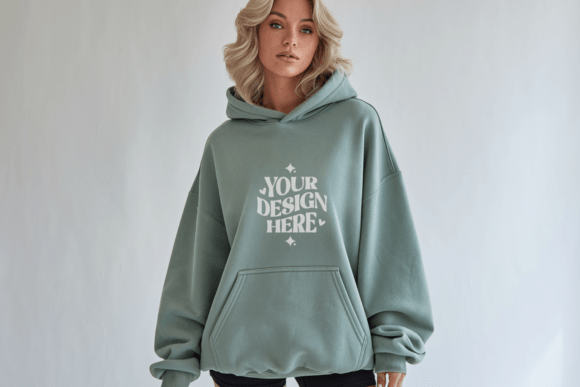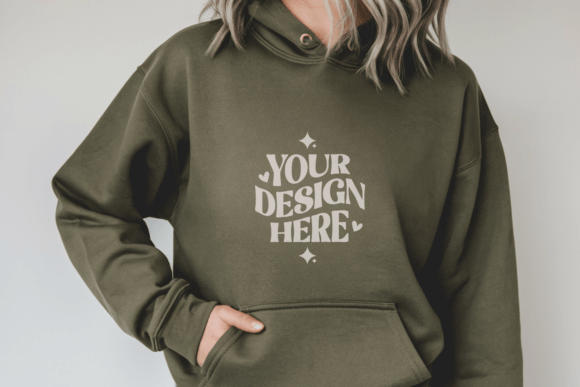
Gildan 18500 Sand Hoodie Mockup
The First Impression: A Neutral Base for Versatile Embroidery
The Gildan 18500 Sand Hoodie Mockup starts with a clean, neutral aesthetic that feels both modern and approachable. The mockup’s sand-colored fabric gives it a warm, earthy tone that works well in a variety of settings. It’s not overly bold or flashy, which makes it an excellent canvas for custom embroidery. As an experienced designer, I find the mockup’s simplicity refreshing—it allows the embroidered design to take center stage without competing for attention.
Design Layout and Detail Level: Practical and Thoughtful
The layout of the Gildan 18500 Sand Hoodie Mockup is straightforward yet effective. It features a front and back view, which is essential for assessing how an embroidery design will look from all angles. The placement of the hoodie’s hood and sleeves provides a natural focal point, making it ideal for testing designs that emphasize logos, brand marks, or personalized text.
The detail level is moderate, offering enough texture to give the mockup depth without being overwhelming. This makes it suitable for both detailed and minimalist embroidery projects. For instance, if you're designing a custom embroidered patch or a holiday gift, the mockup's structure helps you visualize how the final product might appear on a real garment.
Real-Life Use Case: Custom Sweatshirt Embroidery for a Small Business
Imagine you’re a small shop owner looking to create a line of custom sweatshirts for your Etsy store. You’ve chosen the Gildan 18500 Sand Hoodie Mockup as a base because it’s versatile and widely used in the industry. Before proceeding, you’d want to test how your embroidery design interacts with the mockup’s texture and color.
Let’s say you’re working on a vintage-inspired design featuring a floral applique. The mockup’s sand color complements the floral motif nicely, allowing the embroidery to stand out. However, you’d also need to consider stitch density and thread color contrast. If your design includes intricate details, such as delicate satin stitches or fill stitches, the mockup helps you assess whether these elements will translate well into a finished product.
Considerations for Real-World Embroidery: What to Watch For
While the Gildan 18500 Sand Hoodie Mockup is a great tool, there are some scenarios where it may require extra care. For example, using it on thin or stretchy fabrics can lead to distortion, especially in areas like the hood or cuffs. Similarly, dark fabric backgrounds can make light embroidery designs less visible, so it’s always wise to test the design in black and white before committing to a full project.
Another thing to keep in mind is the hoop size. If your design includes large decorative accents or dense stitch areas, you’ll need to ensure the mockup fits within the appropriate hoop dimensions. Additionally, the mockup’s texture can affect how the embroidery looks when stitched—textured fabrics may alter the appearance of satin or running stitches, so it’s important to review this before production.
Visual Appeal and Customer Trust: Key Factors in Design Success
The visual appeal of the Gildan 18500 Sand Hoodie Mockup plays a crucial role in customer trust and satisfaction. A well-executed embroidery design should not only look good but also feel professional. When customers see a high-quality mockup, they’re more likely to perceive your work as reliable and polished.
For handmade products or personalized gifts, the mockup helps you gauge how the final item will look in a real-world setting. Whether it’s a baby item, a holiday gift, or a boutique-branded product, the mockup serves as a valuable reference point. It ensures that your design maintains its integrity across different applications and sizes.
Practical Designer Notes: Tips for Success
- Test on scrap fabric first: Always run a test stitch on a piece of scrap fabric to ensure the design performs as expected.
- Check thread color contrast: Ensure the embroidery threads provide enough contrast against the sand-colored fabric.
- Review stitch density: Too many stitches can cause puckering, while too few may look sparse. Adjust accordingly.
- Confirm hoop size: Make sure the design fits within your machine’s capabilities before proceeding.
- Inspect small details: Look closely at corners, edges, and tiny lettering to catch any potential issues.
- Test in black and white: This helps identify any hidden flaws or inconsistencies in the design.
- Use proper stabilizer: Stabilizers help prevent shifting and puckering during stitching.
- Check licensing: If you plan to sell the finished product or digital file, confirm the licensing terms before use.
Conclusion: A Reliable Tool for Creative and Commercial Projects
The Gildan 18500 Sand Hoodie Mockup is a practical and versatile tool for designers, crafters, and small business owners. Its neutral tone and thoughtful layout make it ideal for a wide range of embroidery projects, from custom apparel to personalized gifts. While it has its limitations, especially when used on certain fabrics or with complex designs, it remains a valuable asset in the creative process.
As an experienced designer, I recommend using this mockup as part of your workflow, but always cross-check details like stitch count, file formats, and licensing requirements. With careful planning and attention to detail, the Gildan 18500 Sand Hoodie Mockup can help you deliver high-quality, professional-looking embroidery projects that meet both artistic and commercial goals.